

Dynamics of modern vaping technology and vaporizer performance
Heating elements transform balanced e-liquid formulations into dense vapor, delivering distinct flavor profiles. Advanced microprocessors regulate wattage output, giving users precise control over vapor production, temperature and everyday device performance.
– Vaporizer hardware architecture –
Engineering inside compact and advanced vaping devices
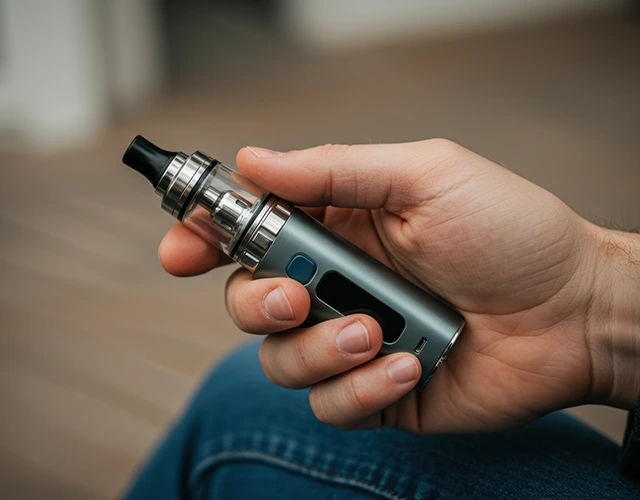
From pocket-friendly pod systems to high-powered box mods, device architecture directly influences performance. Internal control circuits continuously monitor coil resistance and voltage fluctuations to maintain stable power delivery.

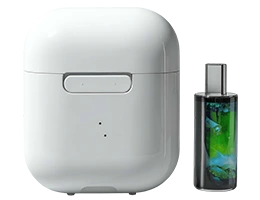
Portable pod systems for compact vaping
Integrated cartridges combined with auto-draw sensors provide straightforward activation and compact operation, making portable pod devices practical for discreet everyday use.

Regulated box mods and precision power control
External batteries supply substantial power to regulated circuit boards, enabling precise temperature control, adjustable wattage and consistent vapor production.

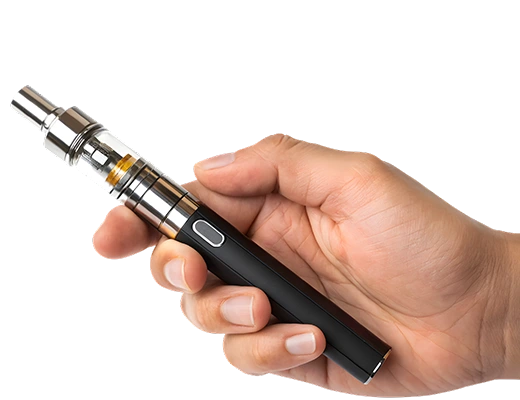
Vape pen devices with cylindrical designs
Tubular chassis house internal batteries and simple single-button controls, offering reliable operation without complex menus or advanced configuration.
– E-liquid flavor dynamics
Understanding e-liquid composition and flavor profiles
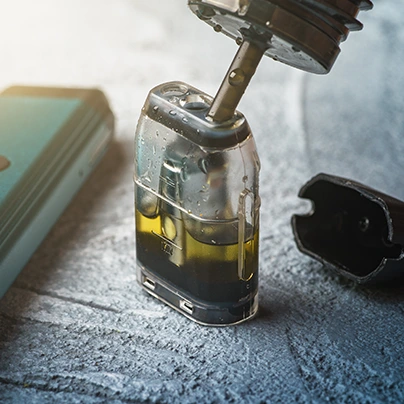
VG and PG base ratios
Vegetable glycerin and high-VG e-liquids
Vegetable glycerin gives high-VG liquids their greater viscosity, helping produce dense vapor and a subtly sweeter sensation. Sub-ohm atomizers are commonly paired with thicker formulations designed for high liquid flow and direct-to-lung vaping.
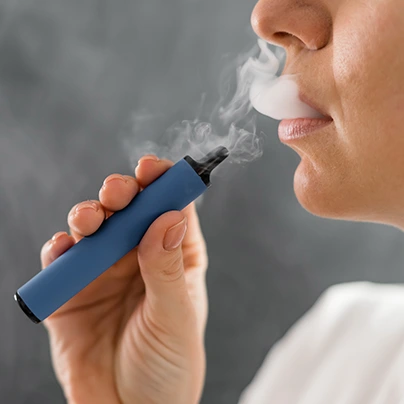
Throat hit and liquid composition
Propylene glycol properties in e-liquids
Propylene glycol is a lower-viscosity base that carries flavor concentrates efficiently and contributes to a more noticeable throat sensation. Its fluid consistency also influences wicking behavior and the final balance of an e-liquid formulation.
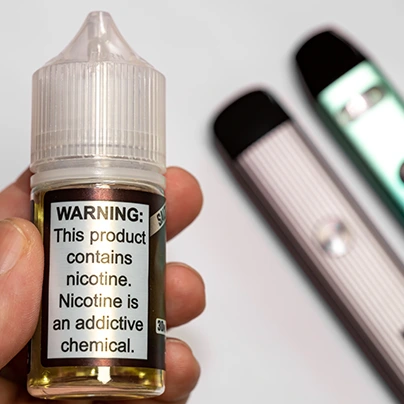
Nicotine delivery and formulation types
Nicotine salt formulations
Nicotine salts use formulation techniques that modify the characteristics of conventional nicotine bases. They are frequently paired with low-wattage devices and compact pod systems because these devices vaporize relatively small quantities of liquid per puff.
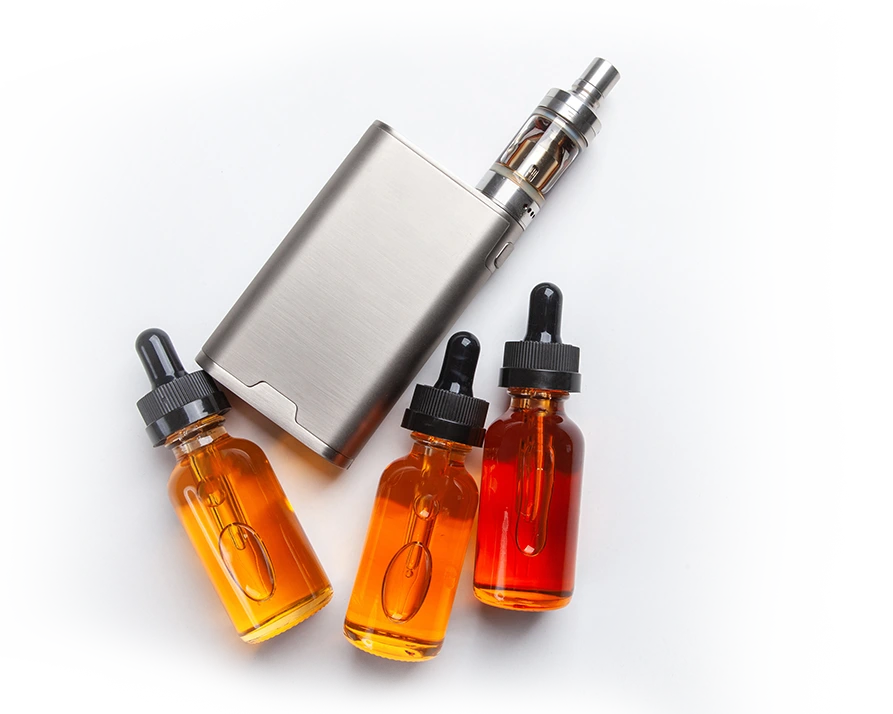
Creating custom e-liquid formulations through DIY mixing
DIY preparation begins with suitable e-liquid bases and carefully measured ingredients. Creating personalized batches requires accurate dosing of flavor concentrates, clean equipment and consistent mixing practices. An appropriate steeping process can then allow flavors to develop and become more balanced before use.
Adjusting VG/PG ratios and concentrate percentages lets mixers influence sweetness, fluidity, vapor production and flavor intensity. Detailed DIY e-liquid recipes and batch notes make successful formulations easier to reproduce consistently.
– Essential vaping accessories and upgrades
Improving device performance with replacement components
External battery chargers provide dedicated charging for compatible removable cells, while protective silicone sleeves help shield devices from impacts. Different drip tips can also change mouthfeel and reduce perceived heat during extended use.
Replacement glass tubes restore damaged tanks, while keeping spare mesh coils available makes routine coil replacement easier and helps maintain consistent flavor performance.
– Vaping maintenance best practices –
Fundamental guidelines for vape device maintenance
A regular vape cleaning routine helps prevent residue buildup around tank components and electrical contacts. Proper coil priming fully saturates the wick before first use and reduces the risk of prematurely scorching the cotton.

Managing vape battery safety and storage
Regularly inspecting battery wraps for tears or damage helps reduce short-circuit risks. Dedicated battery cases keep removable cells isolated from keys, coins and other conductive objects during storage or transport.

Adjusting vape airflow for different draw styles
Opening airflow control generally creates a looser, cooler draw, while restricting airflow produces a tighter and often warmer sensation. Air intake therefore influences draw resistance, temperature and perceived flavor intensity.

Recognizing when a vape coil needs replacement
A persistent burnt taste, declining vapor production or muted flavor can indicate a worn wick or heating element. Timely coil replacement helps restore normal liquid vaporization and flavor quality.
– Future vaping technology developments
Technological advancements shaping next-generation vaping devices
Touch-screen interfaces can simplify navigation through advanced device settings, while Bluetooth connectivity enables compatible hardware to exchange usage data and settings with mobile applications.
Ceramic heating cores offer an alternative heating surface with different thermal characteristics, while increasingly durable chassis designs improve protection against moisture, impact and accidental liquid exposure.
Implementation of auto draw activation sensors
Draw-activated firing uses pressure or airflow sensing to trigger power delivery when the user inhales, removing the need to press a physical firing button on compatible devices.
Sustainable materials and vape hardware recycling
Manufacturers are exploring recyclable vape materials, reduced packaging and alternative exterior components to limit waste. Dedicated lithium battery recycling programs are also important for managing depleted cells and electronic components responsibly.
– Vape coil and tank architecture –
Structural evolution of sub-ohm vape tanks
Top-fill tanks simplify refilling by providing direct access to the reservoir, while enlarged e-liquid ports improve liquid delivery to the wick when using higher-viscosity formulations.
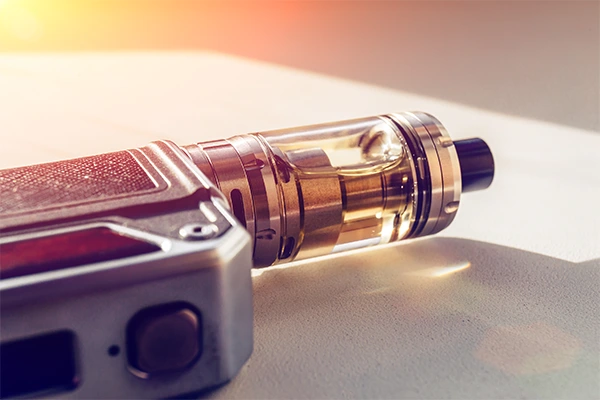
Mesh vape coils with increased heating surface area
Mesh coils spread heat across a wider contact area than many traditional wire configurations. More uniform heating can improve vapor consistency, reduce localized hot spots and support efficient saturation of the surrounding cotton.
Gold-plated connection pins are used to maintain reliable electrical contact, while condensation-management features help keep excess liquid away from battery connections and sensitive internal components.
– Rebuildable atomizer assembly
Customizing vape builds with rebuildable atomizers
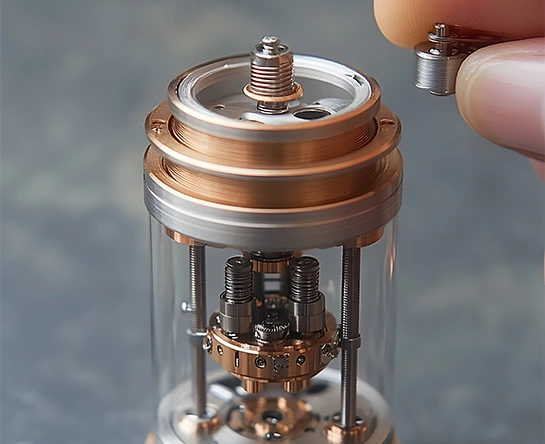
Installing complex coils on rebuildable atomizer decks
Installing fused Clapton coils on a rebuildable deck requires suitable tools and careful positioning of the wire. Builders also need to inspect and prepare the coil appropriately before threading organic cotton through the center and arranging the wick.
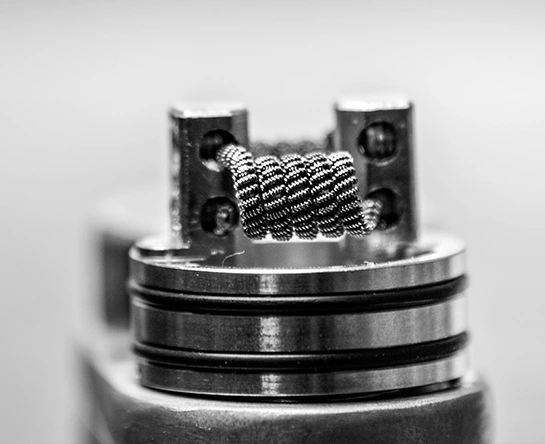
Trimming vape wicks for consistent liquid saturation
Carefully fluffing and trimming wicking cotton prevents overly dense fibers from obstructing juice channels. Correct wick placement supports continuous capillary flow and helps the coil remain saturated during repeated draws.
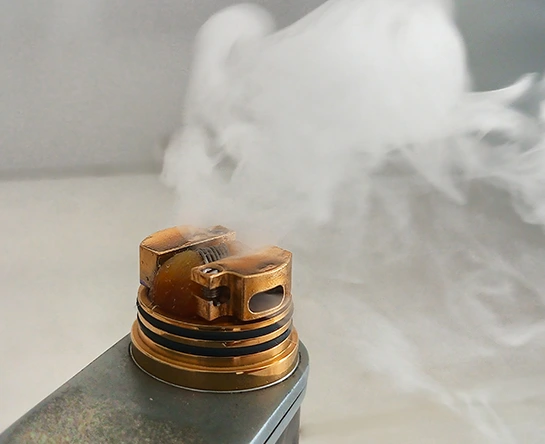
Matching vape wattage to coil resistance
Ohm readers measure electrical resistance before a rebuildable coil is fired. Starting at a lower vape wattage and increasing output gradually helps users evaluate heating behavior while staying within the appropriate operating range for the installed coil.